
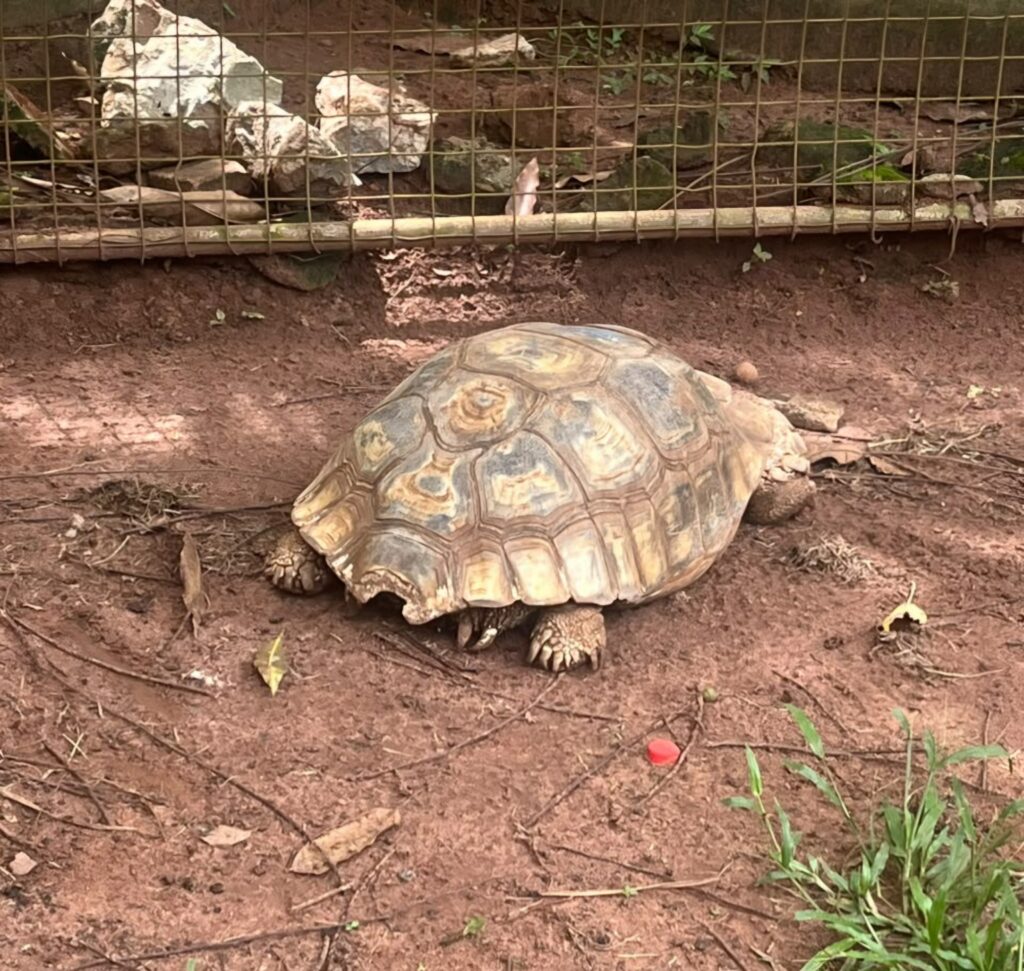
The protracted dispute surrounding the Ogba Zoological Garden and Nature Park in Benin City has evolved beyond a mere contractual disagreement into a defining test of government credibility, environmental stewardship, and the viability of Public-Private Partnerships (PPPs) in Nigeria’s ecotourism sector.
At the heart of the controversy lies a troubling mix of land encroachment, alleged breach of contractual obligations, and the continued non-enforcement of a legally binding arbitral award delivered nearly a decade ago. For stakeholders, the case raises a fundamental question: Can private investors trust the sanctity of agreements entered into with government authorities?
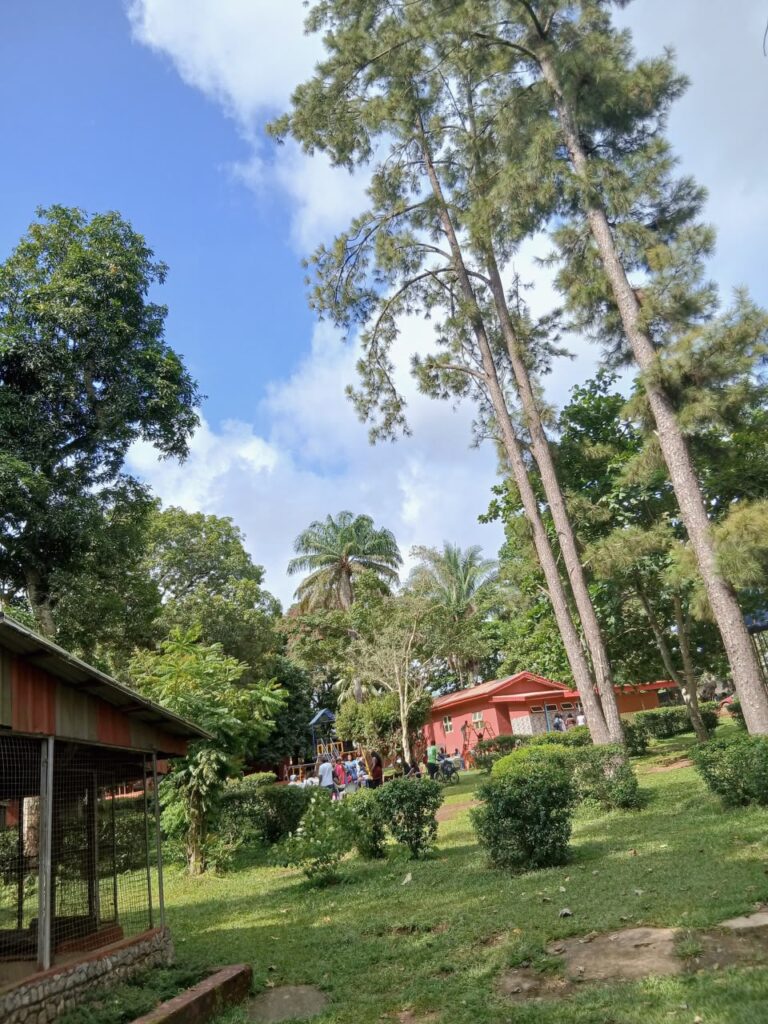
Established in 1966 as part of the Ogba Forest Reserve and expanded into a zoological garden in 1971, Ogba Zoo was conceived as a hybrid ecological and recreational facility—combining wildlife conservation, botanical preservation, and environmental education within an urban setting.
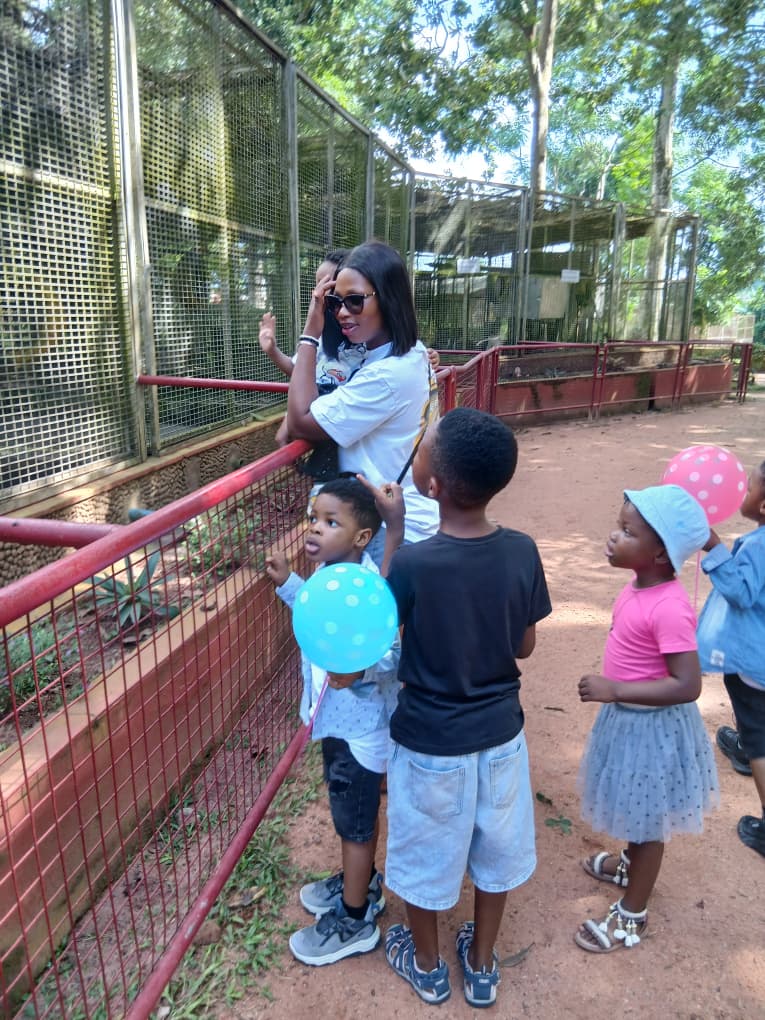
For years, it operated under the Edo State Government but struggled under the weight of inconsistent funding and bureaucratic inefficiencies.
In a bid to revitalize the park, the government adopted a PPP model, granting a management franchise to Everal Services Limited in collaboration with a conservation-focused NGO. Under this arrangement, the private operators assumed full financial responsibility for the zoo’s operations, including staff welfare, infrastructure, and animal care, while also remitting agreed rents to the state.
The expectation was clear: efficiency from the private sector and regulatory protection from the government.
However, the partnership soon deteriorated. Central to the dispute is the government’s alleged failure to uphold its contractual obligation to secure the zoo’s boundaries. Originally spanning 320 hectares from the 53 square kilometres of the Ogba Forest Reserve, the protected area has been reduced to less than half a square kilometre due to persistent encroachment and illegal land-grabbing.
The consequences have been severe. Critical infrastructure,
including staff quarters and animal enclosures has reportedly been demolished by trespassers, even as legal proceedings were ongoing. For the franchise holders, this represents not only a breach of contract but a direct assault on their investment and operational viability.
On November 3, 2016, a sole arbitrator ruled in favour of Everal Services Limited, awarding ₦36.5 million in damages and directing the Edo State Government to construct a perimeter fence to safeguard the facility. The ruling was clear, binding, and intended to restore both order and confidence in the partnership.
Subsequent attempts to compel compliance through the Edo State High Court have been stalled, with recent proceedings adjourned to October 26, 2026, partly due to the absence of legal representation for the state government. This delay has only deepened concerns about institutional accountability and respect for the rule of law.
The implications of this unresolved dispute extend far beyond the confines of the zoo. Economically, the uncertainty has stifled investment and curtailed the park’s growth potential. Opportunities for eco-tourism expansion, such as eco-lodges, hospitality services, and increased visitor traffic, remain unrealized. Local vendors and service providers who depend on the park’s ecosystem have also felt the impact.
Moreover, the failure to pay the ₦36.5 million in damages has deprived the franchise operators of much-needed capital for maintenance and upgrades, further compounding operational challenges.
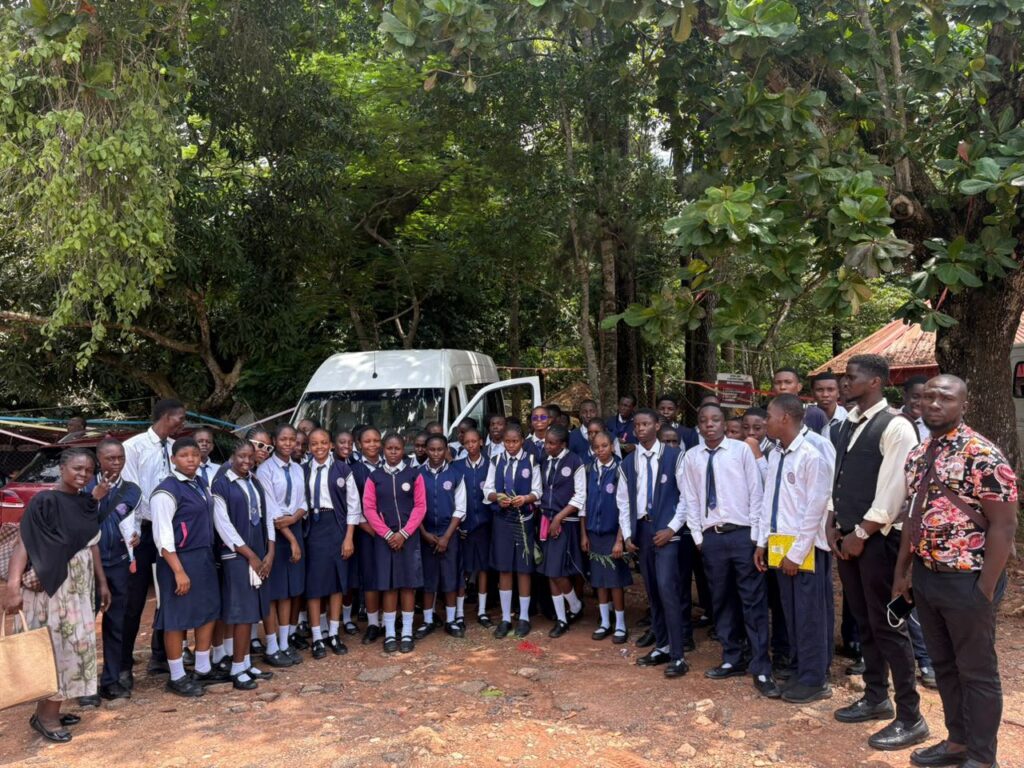
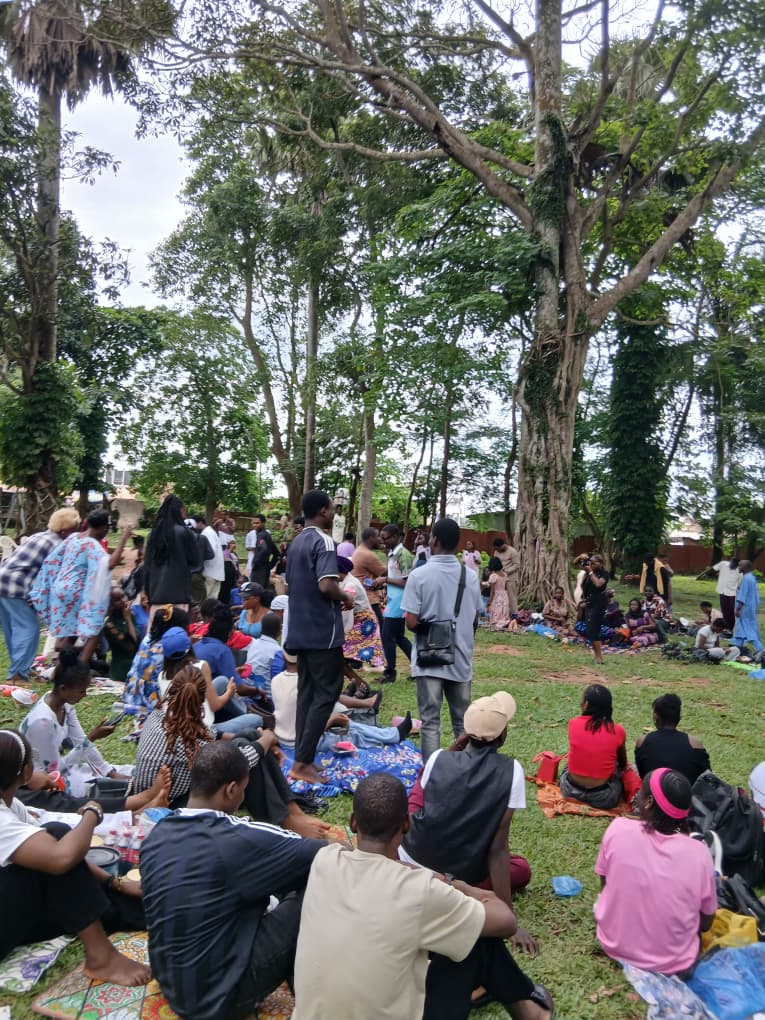
Socially and academically, the effects are equally profound. Ogba Zoo has long served as a vital field laboratory for students of forestry, zoology, and environmental science. The ongoing instability threatens its accessibility and integrity as a research hub. School excursions and public education initiatives have also declined, weakening efforts to promote environmental awareness among younger generations.
Perhaps most damaging is the erosion of public trust. When governments fail to honour contractual agreements, it sends a wrong signal to potential investors and undermines confidence in PPP frameworks, an essential tool for infrastructure and service delivery in developing economies.
The Ogba Zoo case underscores a critical principle: the success of PPPs depends on mutual accountability. While private partners are expected to deliver efficiency and innovation, governments must provide a stable, legal, and regulatory environment.
Respecting contractual agreements is not merely a legal obligation. It is a cornerstone of economic development. Investors, both foreign and domestic, rely on the assurance that agreements will be honoured and disputes resolved in accordance with established laws.
Failure to do so risks deterring future investments, particularly in sectors like ecotourism and environmental conservation, where long-term commitments and substantial capital outlays are required.
As the legal battle drags on, the need for decisive action becomes increasingly imperative. Enforcing the arbitral award, securing the zoo’s boundaries, and restoring the integrity of the partnership are essential steps toward resolving the crisis.
Beyond Ogba Zoo, this case presents an opportunity for the Edo State Government—and indeed, governments across Nigeria—to reaffirm their commitment to the rule of law and to the principles that underpin effective public-private collaboration.
The fate of Ogba Zoological Garden, therefore, is not just about a park in Benin City. It is about the credibility of governance, the absence of credibility signal successive governments sent to investors,
the protection of national heritage, and the future of sustainable development initiatives in Nigeria.
Until these issues are addressed, Ogba Zoo will remain not just a conservation site under threat but a symbol of the high cost of willful broken agreements by authorities that should have known better.
From Chris Akhabue, Edo


